Annual Image Competition
Meet our Esteemed Judging Panel
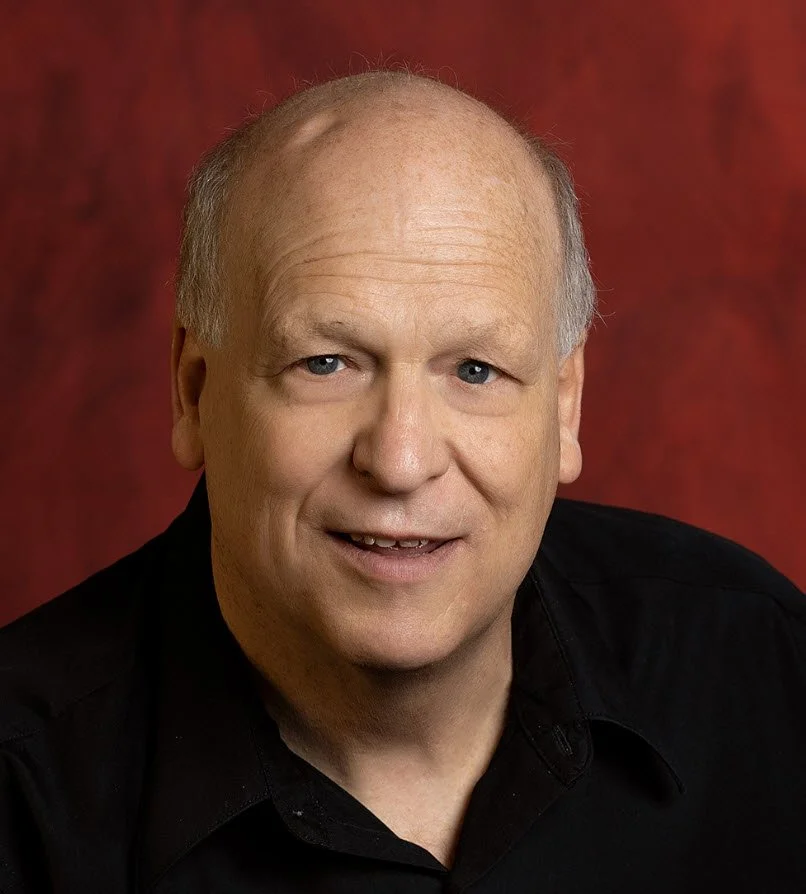
Keith Howe, M.Photog., Cr.Photog., M.Artist, M.EI, M.Wed. Photog. is a highly accomplished photographer whose career began with a simple box camera as a young boy. He holds the rare titles of Master Photographer, Photographic Craftsman, Master Artist, Master of Electronic Imaging, and Master Wedding Photographer from the PPA—making him the only one in Nebraska and the first in the world to earn all five. His work has been selected for PPA’s Loan Collection (13 images), displayed at EPCOT, and featured in Sports Illustrated, The Professional Photographer (cover), and other major publications. A Diamond Fellow of Photography and multiple award winner—including Nebraska Photographer of the Year (tied for most), Wedding Photographer of the Year nine times, and numerous Top Ten honors—he has served as PPN President, on the PPA Council, and as an international juror. He treasures the PPA National Award most for his contributions to the profession.

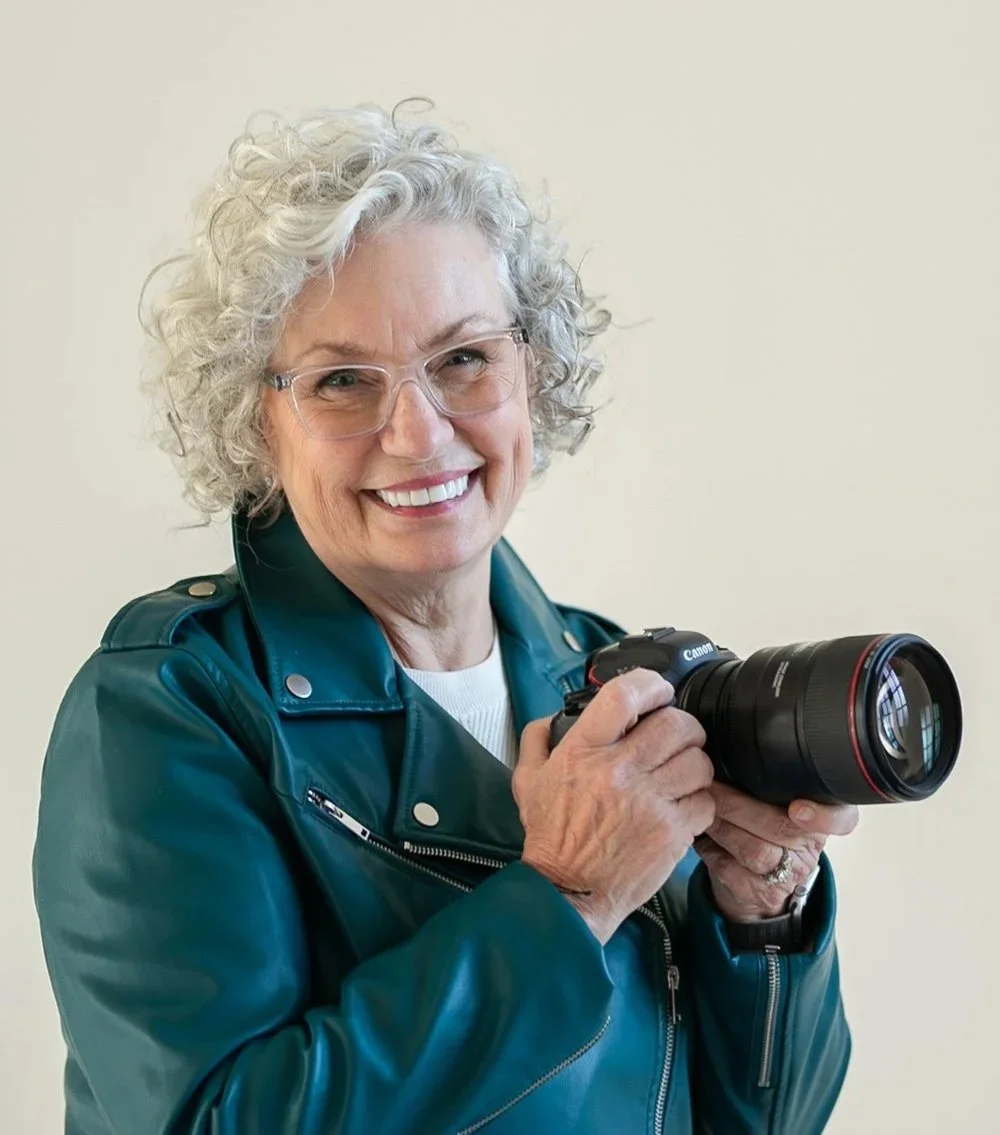
Paula Ferazzi Swift, M.Photog., Cr., CPP is a professional photographer based in Sudbury, Massachusetts, with a career spanning since 1995. A former newspaper photojournalist, she brings a storytelling approach to her work, creating natural, warm, and timeless portraits that capture genuine emotion and fleeting family moments. As a Framingham wife and mother of three sons, she specializes in maternity, newborns, children, families, seniors, pets, couples, engagements, and small weddings. Sessions are held in her Sudbury studio, at scenic local locations, or in clients’ homes across Framingham, Wayland, Weston, Wellesley, Hopkinton, Boston, and greater Metro-west Massachusetts.
An accomplished educator and mentor, she teaches at Hunt’s Photo & Video in Waltham, offers one-on-one mentoring, and authored Storytelling Portrait Photography. She holds Master Photographer, Photographic Craftsman, and Certified Professional Photographer degrees and served as President of the Professional Photographers Association of Massachusetts (2021–2023). Paula is passionate about preserving authentic moments that families will treasure.
Joe Campanellie, M.Photog., Cr., CPP, Fellow-ASP, Fellow of the American Society of Photographers
Joe Campanellie is a Master Photographer, Photographic Craftsman, Certified Professional Photographer, and an Approved Affiliate Juror with the Professional Photographers of America (PPA). He also has the distinction of being 1 of only 87 living individuals worldwide to hold the prestigious Fellowship Degree from the American Society of Photographers (ASP).
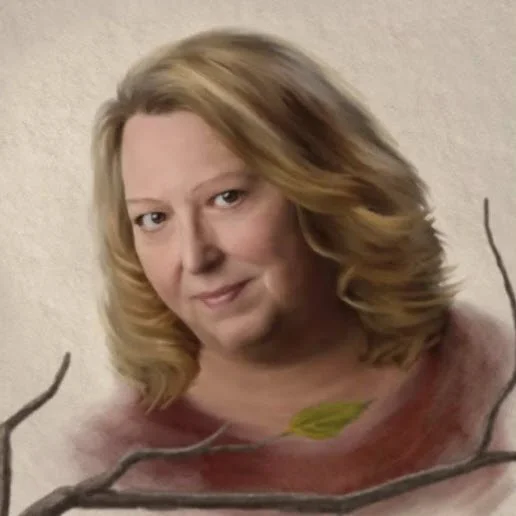
Toni Harryman, M.Photog., Cr.Photog., M.Artist, CPP is the owner and operator of Johnson Photography since 1982. She holds the prestigious Master of Photography, Photographic Craftsman, and Master Artist degrees from the Professional Photographers of America (PPA), and is a Certified Professional Photographer (CPP).
A highly accomplished award-winning artist, Toni has twice been named Diamond Photographer of the Year in the PPA International Print Competition. She has been recognized multiple times as a Top 10 photographer in Iowa and was named Top Iowa Master Photographer of the Year in both 2020 and 2025. Her work has been published in PPA Loan Books, Professional Photographer Magazine, and the ASP Resonance book, and has been exhibited in galleries across several states.

Steph Johnson, M.Photog., CPP, Rochester, New York-based photographer and owner of Steph J Photography. She specializes in empowering portraits that celebrate personal journeys, self-love, resilience, and milestones, helping clients embrace their authentic stories through custom wall art, albums, and treasure box collections. She also provides branding and headshot photography, along with event and wedding coverage.
She holds the Masters of Photography and Certified Professional Photographer (CPP) designations from the Professional Photographers of America (PPA), is internationally published and award-winning, and brings nearly 30 years of entrepreneurial experience supported by an MBA and BS in Business. She also speaks and trains on leadership, marketing, photography, and mental health.
Image Competition FAQs
-
Navigating the world of image competition can be a bit daunting, especially when it comes to matting your images. But don’t worry, we’ve got you covered with some friendly, easy-to-follow tips!
One of the key aspects of presenting your competition images is ensuring they have the right mat. A well-chosen mat can make your image look complete and professional, perfectly complimenting your work.
So, what’s a mat made up of? It has two main components: the border and the keyline. The border is the area that surrounds your image, extending outward, while the keyline is a thin stroke that encircles the outermost edge of your image, creating a clear distinction between the image and the mat.
Here’s a handy tip: Less is more! Aim for a mat that’s color-balanced and enhances your image without overpowering it. Stick to matching color themes and try to avoid strong textures or contrasting colors that might distract from your photo.
When it comes to the keyline, subtlety is key. Keep it to a maximum of 5 pixels, though many judges prefer it to be 3 pixels or fewer. The keyline should act as a gentle border, not stealing the spotlight but instead framing your image in a clean, unobtrusive way. Caution: be sure to select a color for the kleyline that does not match the colors adjacent to it. The kleyline color should be distinguishable all the way around the image. For example, don’t select a yellow keyline if it crosses across dried grass in your image. The keyline would simply disappear beside the grass. Judges will remove points for this and it could be the difference between receiving a Merit or not.
Remember, the goal is to enhance your image with a mat that complements and completes it, creating a harmonious and professional presentation.
Need more help? Check out thisvideo here for additional guidance.
For an automated process to learn how to make a mat and border in Photoshop Click here -
Creating a guide image is an essential step in image competition. A small representation on your mat shows the judges the various elements used in your image. Sometimes, photographers use stock images for certain components in their finished pieces.
For Photographic Open categories, if you’ve used any elements that you didn’t create, you need to reference them with a guide image. This includes things like sky replacements or any graphic elements added to enhance the overall image.
For Master Artist entries, it’s a bit more detailed – you must include guide images for every element used in your composition, no matter where they came from.
Copyright Note
If you incorporate any image elements that you didn’t create and they’re not stock or covered under fair use, you MUST have a release or permission from the original creator. No exceptions.
You also cannot copy and paste images from external sources like social media into your work unless you have obtained the appropriate legal usage rights.
By following these guidelines, you’ll ensure your entries are both stunning and compliant.
-
Short answer: YES!
So, why does it matter? Titles are often called “The 13th Element” because they add a layer of storytelling, showcase your creativity and amplify the impact of your overall presentation when announced. Even a fantastic image can lose points if it has a poorly chosen title.
Here are some quick tips for titling images:
Wordplay: A clever play on words or phrases can go a long way
Short & Sweet: Titles are read aloud when your image is displayed for the judges. “Moose Caboose” is going to resonate better than “3 Moose standing in field walking to the left”.
Alliteration is helpful!
Clarity: Don’t be too esoteric. Make sure that the judges are going to “get” your title.
Emotions: If your title can make a judge laugh, cry, smile, or gasp, you have gone a long way in developing impact for your image.
Competitions often involve scoring between 50-200 images. Imagine if your image is near the end of that very long list. How can your title grab the judge’s attention? Instead of “Alligator swimming away in lake” consider something like, “See ya later, Alligator”.
With a great title, you’ll ensure your image stands out and leaves a lasting impression.
-
Entering an image competition isn’t about outdoing others. Photography is an art form, and like all art, it’s subjective. Sometimes, you’ll come out on top; other times, you might question everything. That’s the nature of the game!
The main goal of any great image competition is to educate. You can learn so much just by participating. Remember, this isn’t about collecting Facebook “likes.” We’ve all seen less-than-stellar images get plenty of “likes” on social media (thanks, Mom!).
Participating in competitions is about putting yourself in front of a panel and learning how to improve and elevate your craft. If you disagree with the judges, seek a critique or ask for advice from a colleague. You might be surprised at how small details can make or break an image. When you start considering these elements during image creation, your work will begin to shine, and you’ll find your unique voice as an artist.
So, who are you competing against? The answer is simple: You!
-
You can find all the rules on the Rules Page here.
-
You can find examples and categories on the Categories Page here.
-
You can enter a maximum of 10 images.
-
Wondering about the right size for your competition image? Don’t worry, we’ve got you covered. You can find all the details about what you need to know in the rules page here.
Here’s a quick run-down:
Dimensions: Your finished image, including the mat, should be 4000 pixels on the longest edge.
Format: All images must be saved as high-quality JPGs with an embedded color profile (sRGB).
It’s crucial to review the image specifications for each competition to make sure you’re submitting an image with the correct dimensions.
Note about DPI:
DPI (dots per inch) is a term used for print specifications and isn’t relevant for digital-only images. As long as your high-quality JPG has the appropriate pixel dimension of 4000 on the long edge, you’re all set!
Keep these tips in mind, and you’ll be ready to showcase your work in its best light.
-
TNPPA Competitions:
Resubmitting Lower-Scoring Images: If you previously entered an image in a TNPPA Competition and it scored 79 or below, you can rework the image and enter it into a PPETN competition.
High-Scoring Images: Images that scored 80 or above in a TNPPA competition can not be entered into PPETN competition.Merit Image Review (PPA/MIR)
If you have entered an image to PPA’s Merit Image Review (2023 and forward), you may enter it into PPETN competition regardless of merits received from PPA.
Just remember that MIR size requirements differ from PPETN competitions so double-check your file size before submitting.International Photographic Competition (IPC)
If your image earned a medal in IPC (Top 32, Top 16, etc), it is not eligible for local-level competition (PPETN).
-
Wondering what printcompetition.com is all about and why you need an account? Let’s break it down!
A lot of work goes on behind the scenes to prepare for an image competition. The platform at printcompetition.com helps streamline every aspect, from setup and judging to spectator apps and payment processing for entries. It’s a one-stop-shop that makes managing competitions much more efficient.
We require each participant to register for a basic account, which costs a modest $14 per year. This basic account is essential for participating in our competitions. If you plan to participate in Merit Image Review or other state competitions, we highly recommend getting a premium account ($18/quarter or $67 annually). A premium subscription offers a wealth of resources, including access to archived image competitions from various areas, judges’ audio (when available), scoring details, and much more. It’s an invaluable learning tool for anyone serious about competing.
The platform is free for organizations to use, with operating expenses covered by participant subscriptions. PPETN greatly appreciates the robust features of this platform and the hard work that has gone into its creation. We’re also thankful to those who subscribe to the premium account, as it helps keep costs down and supports the development of new tools.
By using printcompetition.com, you’ll have access to an efficient and comprehensive system that enhances your competition experience.
-
Competition entries can be uploaded starting 30 days before the event. Please pay attention to the deadline to upload images on printcompetition.com.
Meet the PPETN Image Competition Committee
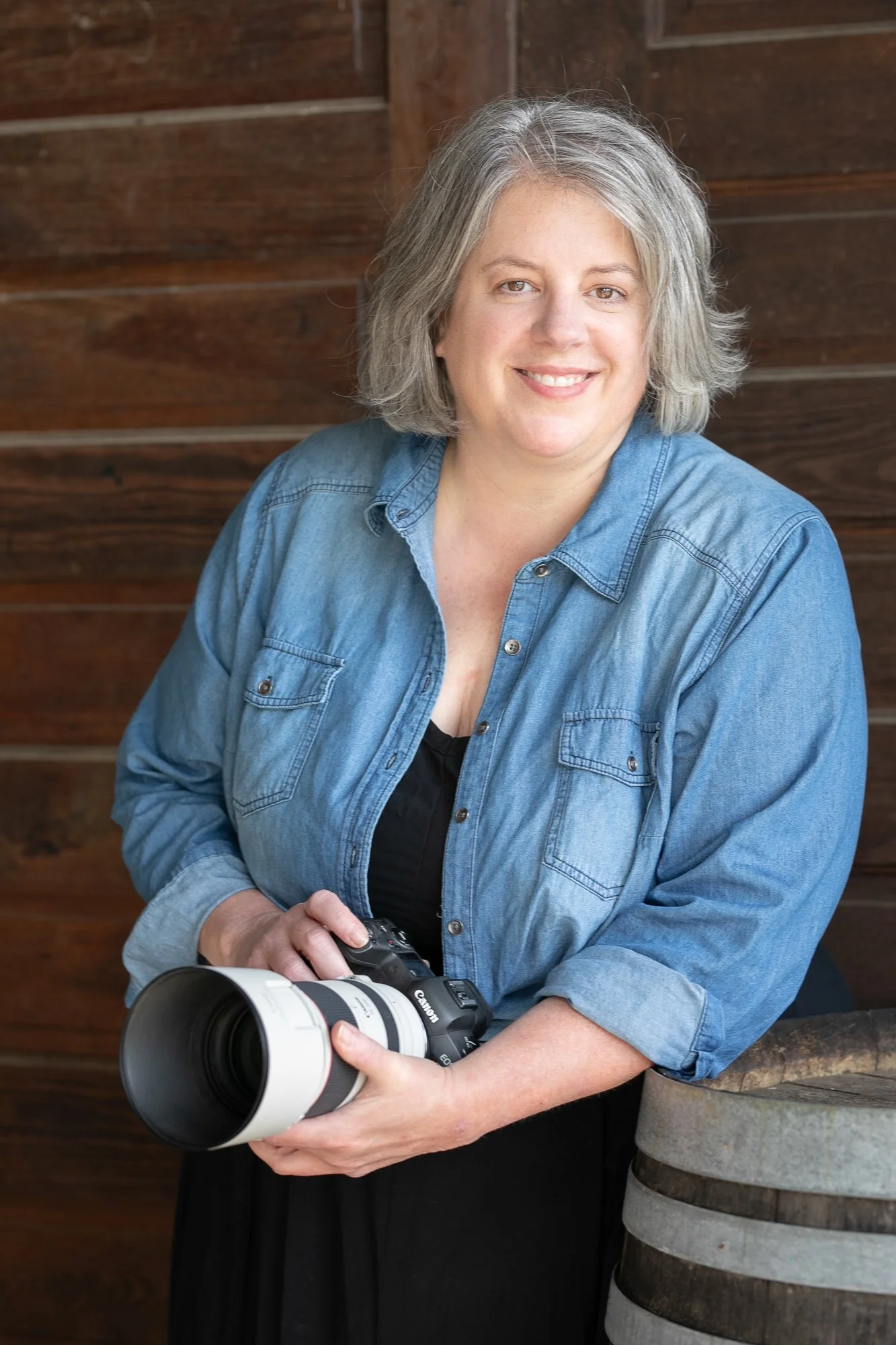
Betsy Bird, M.Photog.Cr., CPP, TPM, TSD, AFP-OR
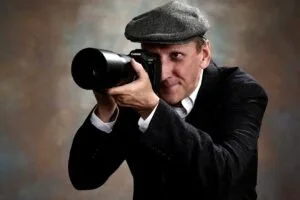
Hill Henry, CPP

Steve Thomas, CPP
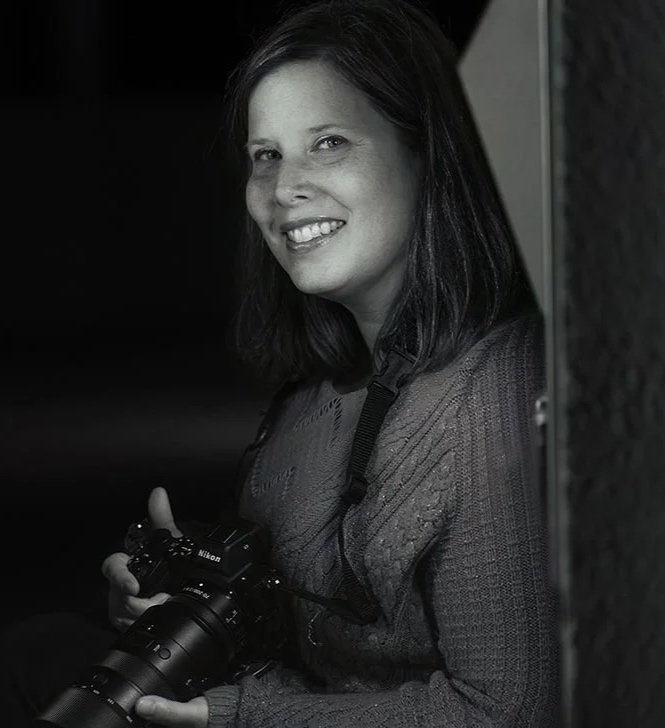
Jen Willis, CPP
Amy Melendy, CPP

Karen Fox, M.Photog.Cr., TPM, TAD, TSD

Jessica Millard, CPP
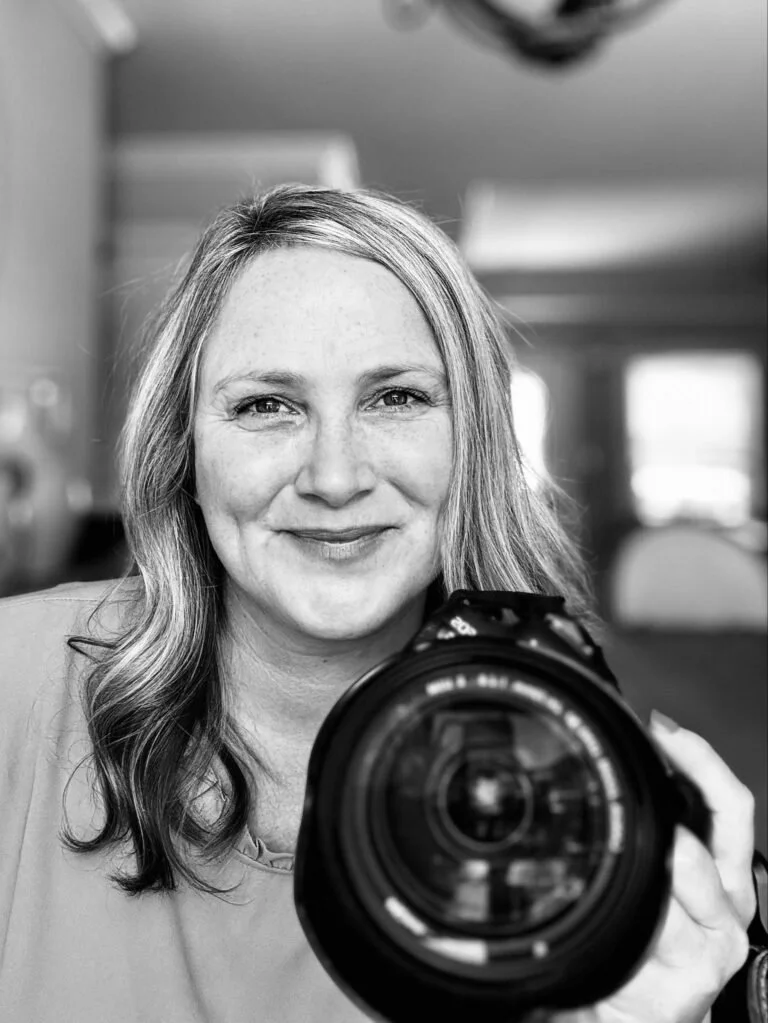
Holly Roznowski, CPP